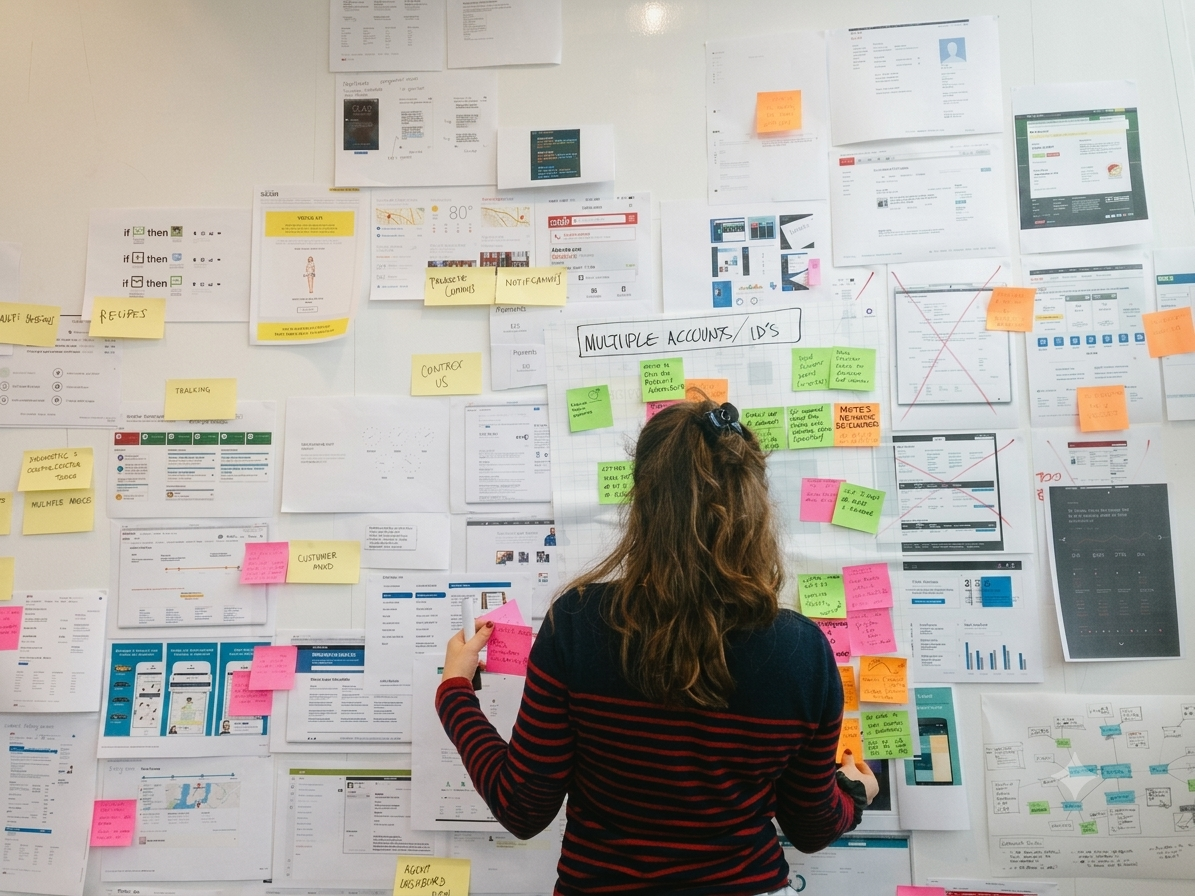
Give me the tangled brief, the problem no one's quite framed yet. I like living inside the complexity long enough to make it simple on the other side.
In other’s words
-
The kind of colleague who makes the work better and the team stronger. I've worked with Marcella twice, at the Telegraph and Condé Nast — and I hope it won't be the last
— VP of Design
-
Intelligence, structure, and real commitment. Deeply collaborative, resilient under pressure, and genuinely invested in both product quality and the people around her.
— Sr. Design Director
-
She'd arrive having already connected the behavioural signals to a design direction — often before I'd finished the brief. Reading data and translating it in real time meant we moved faster, with more confidence."
— Sr. Product Manager
-
Relentlessly user-centric, and a supportive lead — bringing her expertise to help the team produce high-quality work against tight deadlines
— Principal Product Manager
I take care of the team and the challenge.
I lead distributed design teams across time zones, cultures, and seniority levels. My focus is always on the people before the work, because the best projects come from teams that trust each other.
When things go wrong - and they will at times - we’ll have a good laugh before we fix the direction. It's cathartic.
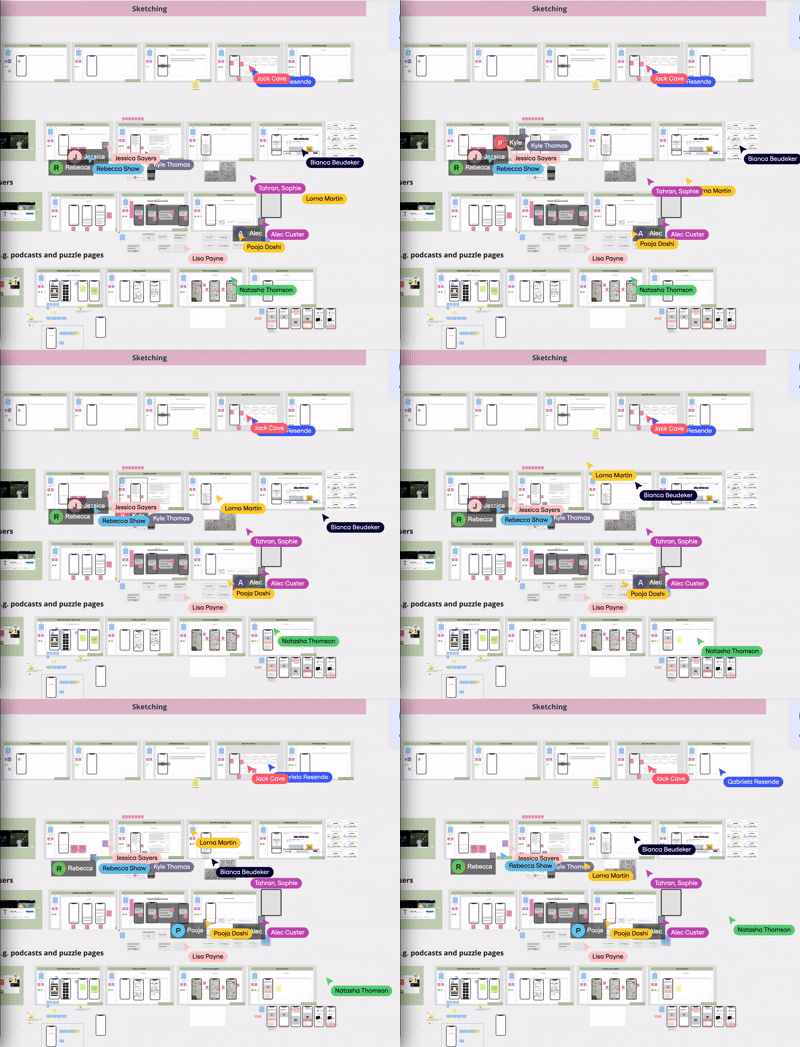
Stakeholder alignment, design maturity, cross-functional ways of working, and strategic framing.
I push for initiatives that join the dots: shaping roadmaps, spotting the connections others miss, and making the case for work that wouldn't happen otherwise.
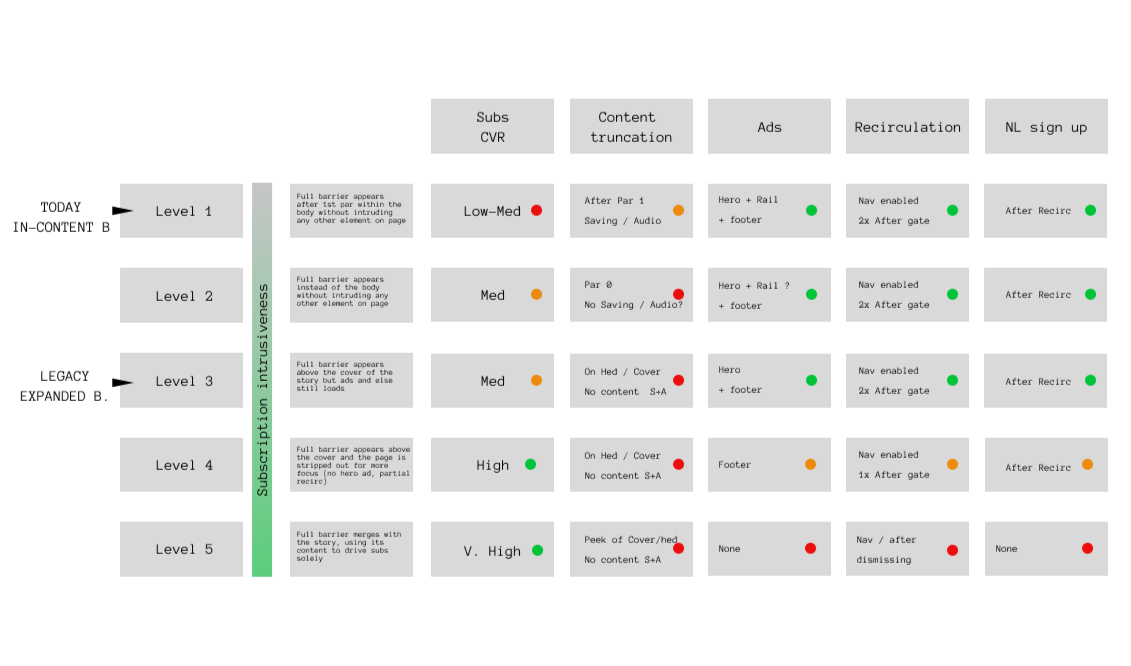
I look at the whole picture.
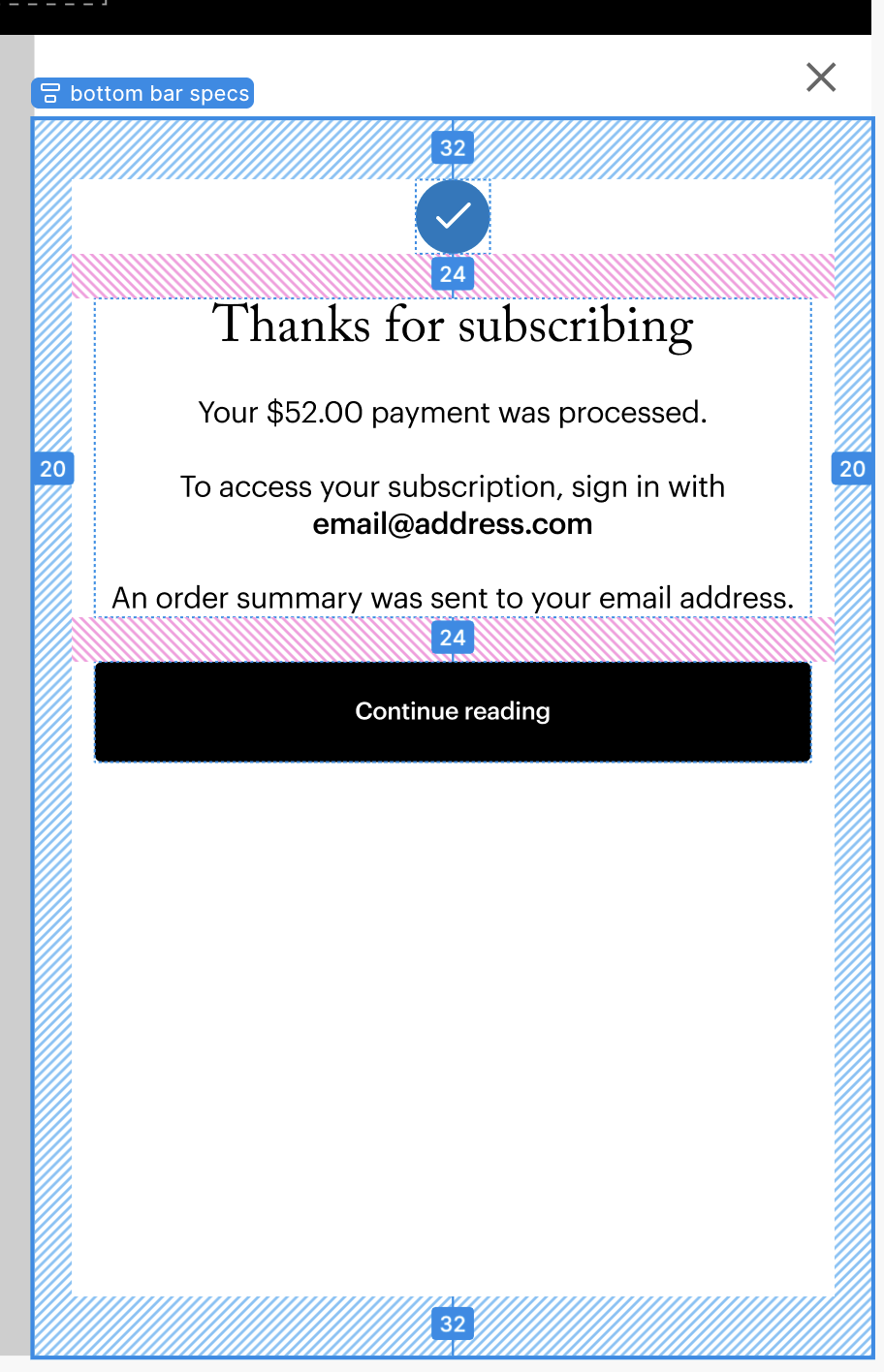
I sweat the design details.
Interaction design, information architecture, design systems, research synthesis, prototyping.
I do get my hands dirty: not to micromanage, but because staying close to the work makes me a better leader.
How am I using AI, I hear you ask?
There are two ways I'm thinking about AI right now.
Designing with AI — I use it at both ends of my process. Upstream, before I open any design tool, I use LLMs as thinking partners to stress-test frameworks, challenge assumptions, and pressure-test half-formed ideas. Downstream, I use tools like Figma Make and Cursor to move from concept to working artifact much earlier. Vague design intent gets exposed quickly — AI builds what you specify, which is its own form of critique.
Designing for AI— I'm starting to integrate AI-driven features into projects, mostly where it can simplify complexity for users. It's early, but it's where I think the most interesting design problems are heading.
I'm an early adopter, and I push my team to explore with curiosity and judgment. To go deeper on the human side of all this, I'm taking an executive course with IxDF.
I also use it to invent stories with my son on long car rides. But that's for another page.