Design with AI
AI has shortened the distance between a question and its answer. But speed only helps if the thinking is right. Most days I use:
Claude · ChatGPT · Gemini · CURSOR · Figma Make · Miro SidekickS-
Before designing, I use AI to interrogate data I couldn't read at a glance: clustering, spotting outliers, finding patterns
-
I use AI as a sparring partner to strip assumptions out of a request and reframe the problem at the right level of abstraction
-
I now build the prototypes with real content whenever I can. The odd combinations, the copy that doesn’t fit are designed for, and edge cases become part of the solution design
-
AI helps me test before the design is "ready", with prototypes good enough to break, and visualisations that can support a productive discussion with the users and the team
-
The last mile is where good designs traditionally lose their details, but now the handover can be smoother with code-based design outputs
Design for AI
An AI product that actually works earns its users' trust by being fair, by explaining its choices, and by making it easy to say no. None of this happens by accident. Here is how I design for it.
Types & Levels
of Automation
For each function, I ask which part the machine takes on (gathering, analysing, deciding, or acting) and how far it goes before a person steps in
Human & AI partnership
The best systems let each side do what it does best. The AI spots patterns and handles the routine, people bring context and judgement, and the system learns
Agency & control
I design clear points where people can review, override or undo what the machine does, so they stay in charge of the decisions that matter, not just in theory.
Risk analysis & mitigation
Every level of automation fails in its own way: over-trust, skills that fade, unclear responsibility. I map risks and embed guard-rails as part of the design process
WORK SAMPLES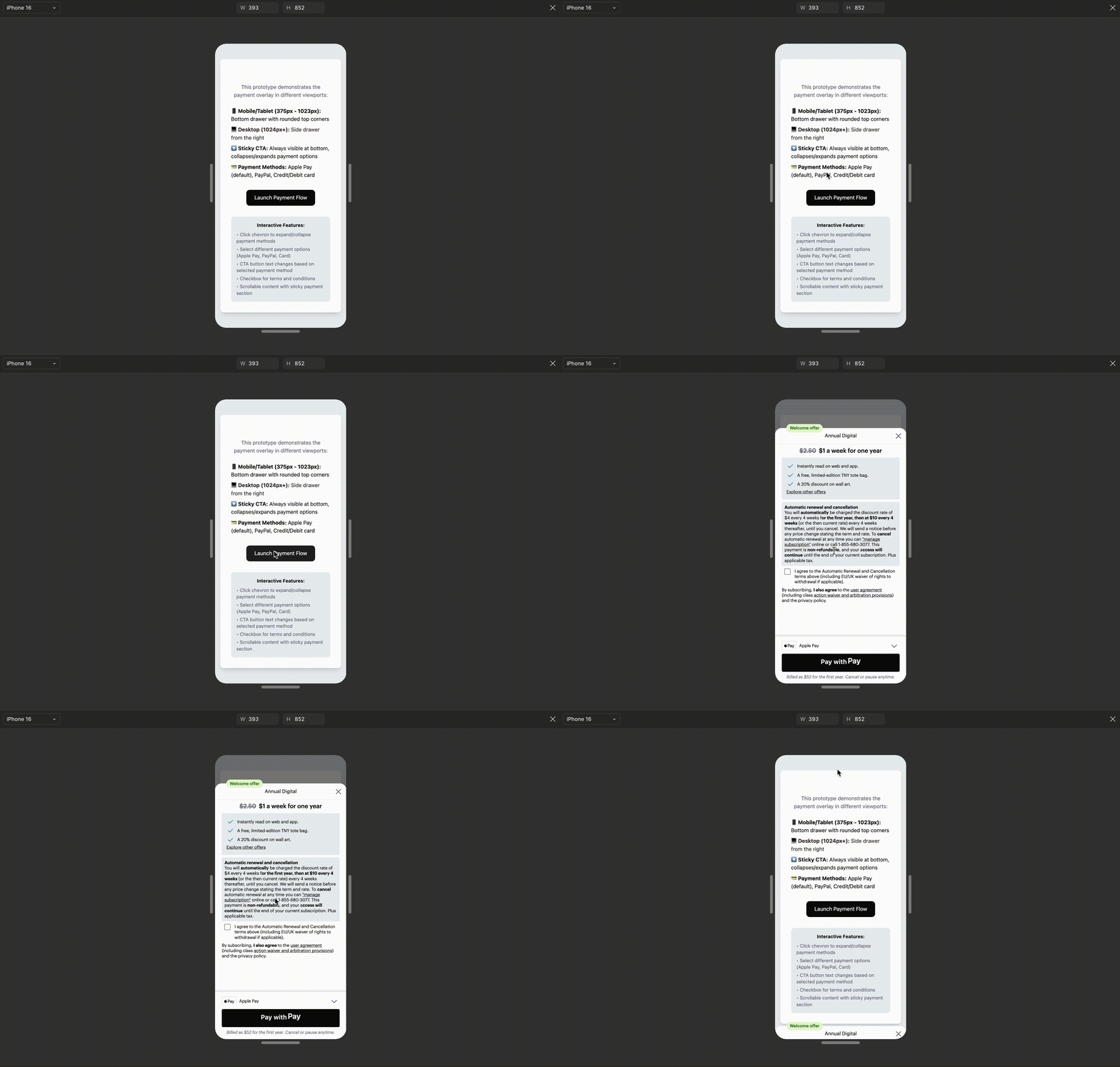
Figma Make prototypes to detail interactions, motion and component logic directly in code
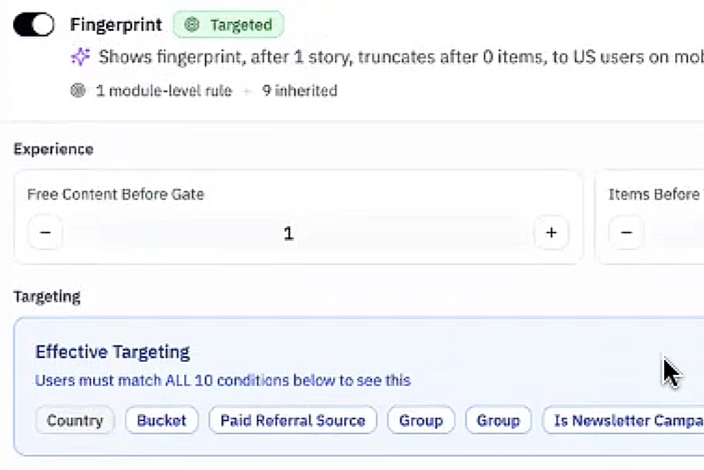
Natural language synthesis to make complex parameters easy to understand for users
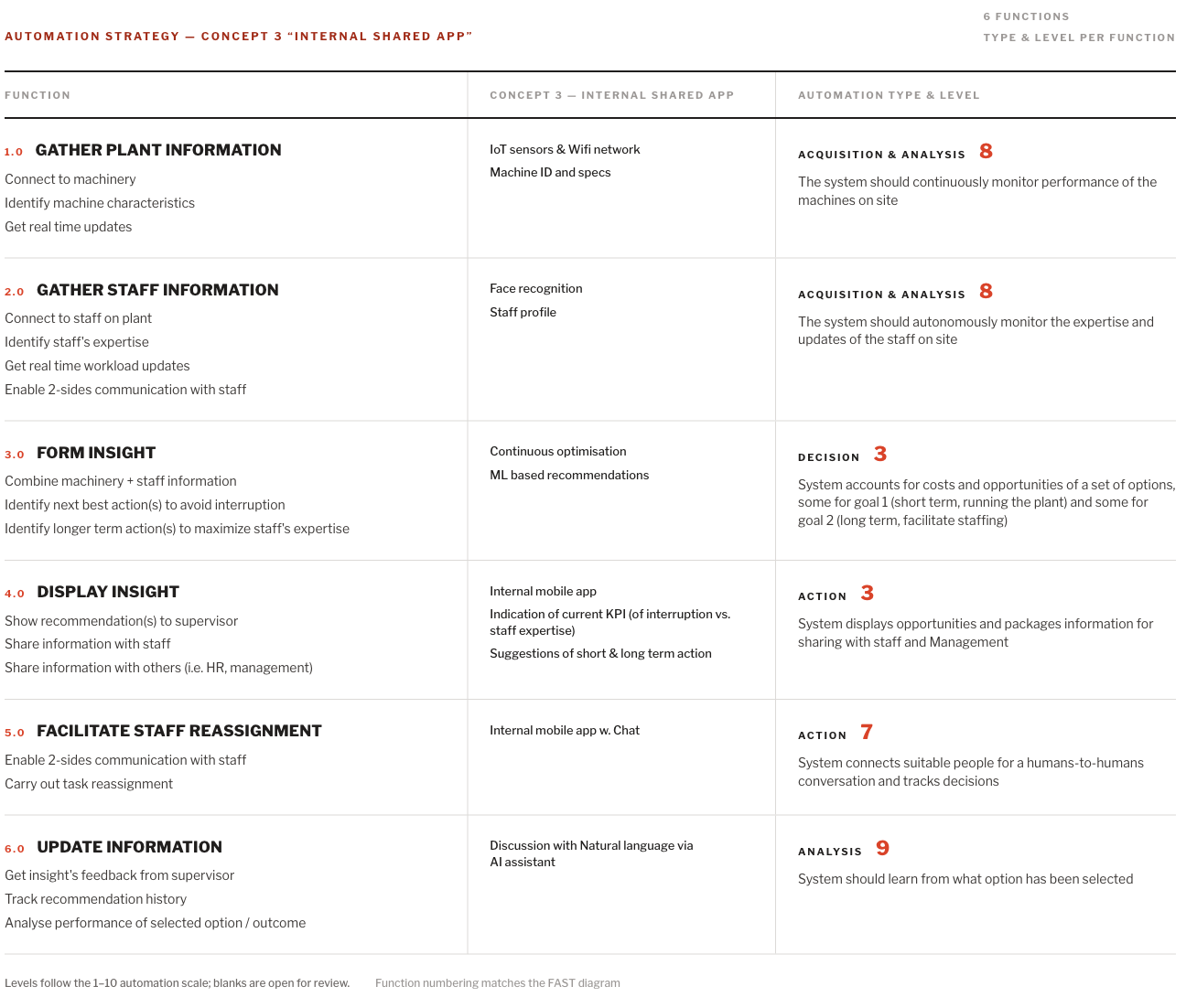
Functional evaluation to assign the most efficient type and level of automation